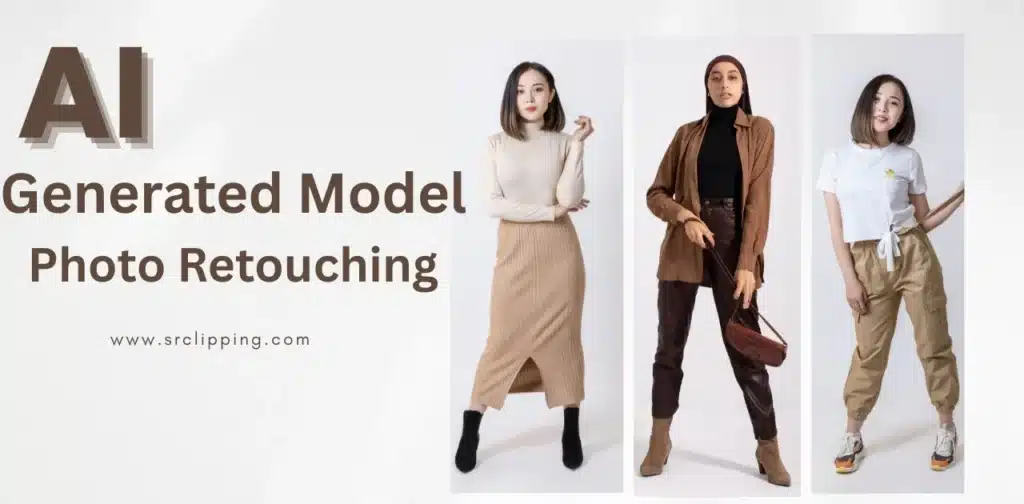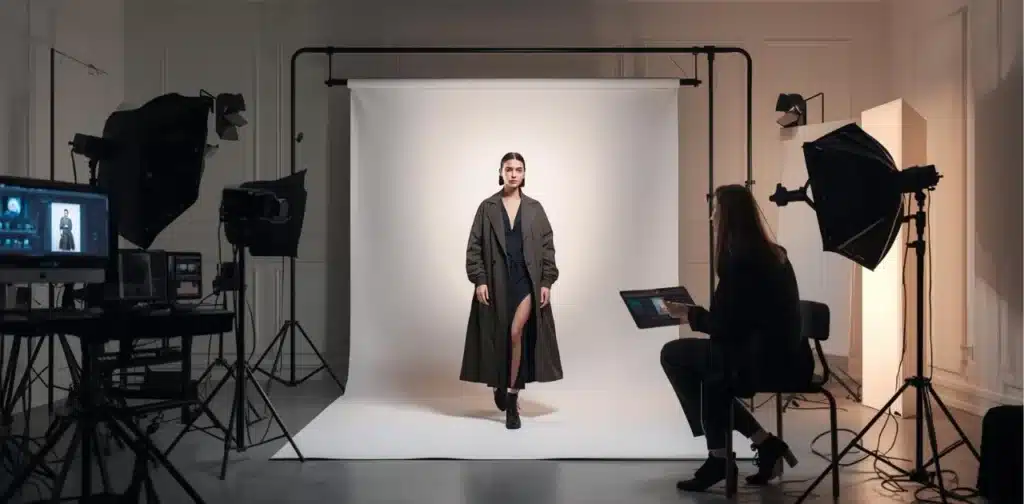
E-commerce moves fast, and product photos must keep up. Many brands now use AI fashion models and AI-generated model images to list new items in hours, not weeks. In 2026, a lot of online stores tested AI visuals to cut shoot time and cost. Yet raw AI images often feel “not quite right.” Skin can look plastic, fabric can look flat, and shadows can look odd. Shoppers notice these small problems, even if they never say it out loud—then they pause, doubt, and leave.
AI-Generated Model Photo Refinement for Ecommerce Brand work solves that trust gap. A clean refinement pass fixes texture, shape, and brand details so images look real and consistent across your catalog. Think of it like ironing a shirt before a meeting: the shirt stays the same, but people take you more seriously. Want higher trust, fewer “this looks fake” moments, and smoother scaling? Keep reading and use the checklist in this guide on your next 10 product images today.
What Is AI-Generated Model Photo Refinement?
AI-generated model photo refinement means fixing and improving AI-made model images so they look real and trustworthy. Brands use this process to correct mistakes, clean details, and make images ready for ecommerce product pages.
Simple Definition (For AI Search & Featured Snippets)
AI-generated model photo refinement is the process of correcting AI-created model images so they look natural, accurate, and suitable for online selling.
How It Differs from Traditional Photo Retouching
Traditional photo retouching starts with a real photo shoot.
A real model wears real clothes.
A camera captures real light and texture.
Editors usually fix small things, such as:
- Skin tone
- Wrinkles
- Dust or color balance
AI-generated images are different.
They are created by software, not a camera.
That creates new types of problems, such as:
- Stretched or broken logos
- Blurry or wrong text
- Uneven buttons
- Crooked zippers
- Fake-looking fabric
- Extra fingers or wrong seams
Refinement focuses on fixing errors, not just making images pretty.
Why Ecommerce Brands Are Adopting This Workflow
Many ecommerce brands now use this workflow for simple reasons:
- Lower cost
AI models reduce photoshoot expenses. Refinement costs less than reshooting. - Faster product launches
Brands can upload products in days, not weeks. - Easy scaling
One refined process works across hundreds of products.
From real ecommerce experience, clean and refined AI images reduce doubt.
Less doubt leads to more trust. More trust leads to better sales.
Common Problems with Raw AI-Generated Model Images
Raw AI-generated model images often contain technical and visual flaws. These issues reduce trust and hurt ecommerce performance. Most brands notice these problems only after images go live. Below are the most common problems found in unrefined AI model images.
Unnatural Skin Texture and Plastic Look
AI often removes natural skin detail. Common issues include:
- Skin that looks too smooth
- No visible pores or natural texture
- Skin that blends poorly with clothing or light
Real people do not look perfect. AI skin often looks artificial, which makes products feel fake.
Garment Distortion and Fit Errors
AI struggles with clothing structure. Common garment issues include:
- Warped or broken seams
- Fabric folds that look stiff or incorrect
- Body proportions that feel unrealistic
These errors make clothing look poorly made, even if the real product is high quality.
Background and Edge Artifacts
Edges and cutouts reveal many AI mistakes.
You may see:
- Rough or jagged edges
- Light halos around hair or clothing
- Low-quality cutouts on white or solid backgrounds
These small flaws reduce image quality and lower buyer confidence. Raw AI images save time, but they also create risk. Without correction, these issues affect trust, returns, and conversion. The next section explains how refinement solves these problems step by step.
Step-by-Step AI-Generated Model Photo Refinement Process
AI-generated model images may look acceptable at first glance, but they are rarely ready for ecommerce use without refinement. A structured refinement process helps identify and correct issues that affect realism, branding, and buyer trust. Each part of this process focuses on accuracy rather than decoration.
1. Logo distortion
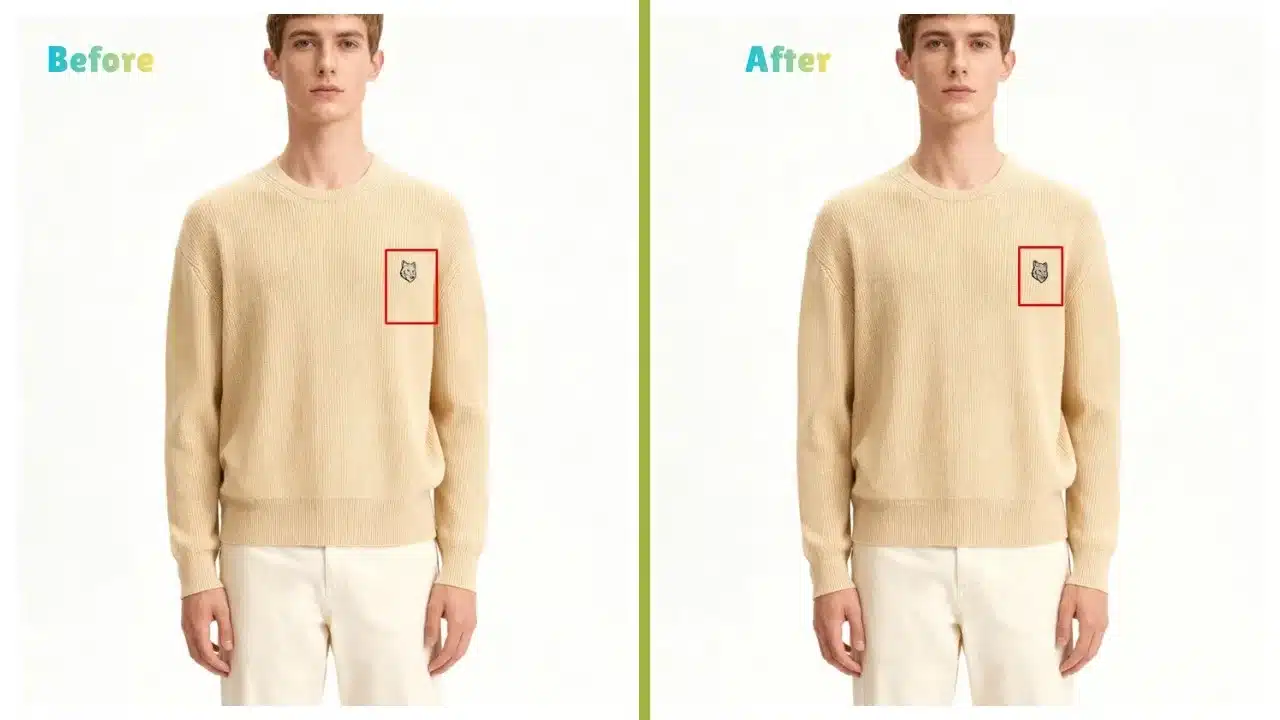
Logo distortion is one of the first problems found in raw AI images is logo distortion. AI often stretches or bends logos to follow fabric movement, which changes the original brand shape. Even small distortions weaken brand identity. Refinement restores correct proportions so logos appear clean and recognizable.
2. Text and print quality
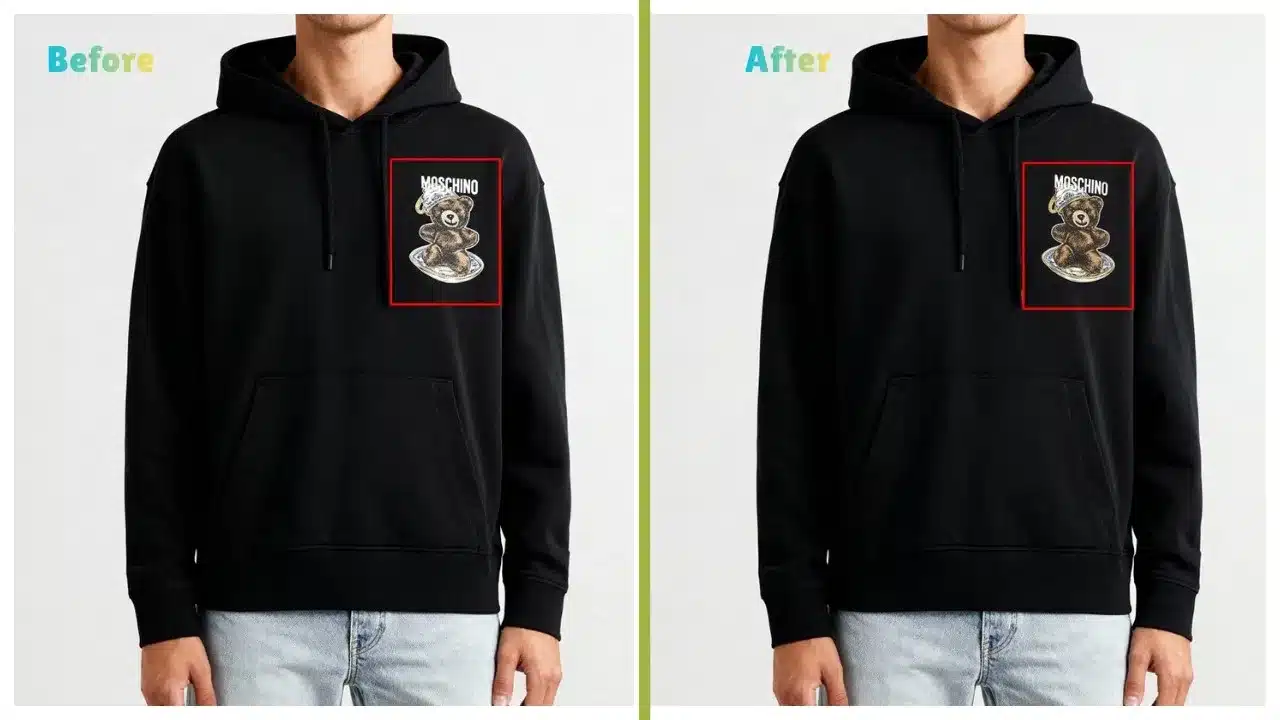
Text and print quality another common issue involves text and print quality. AI frequently produces blurry text, broken letters, or uneven spacing. On apparel, unreadable prints signal low quality. Refinement sharpens text and rebuilds prints so they look clear and intentional.
3. Button
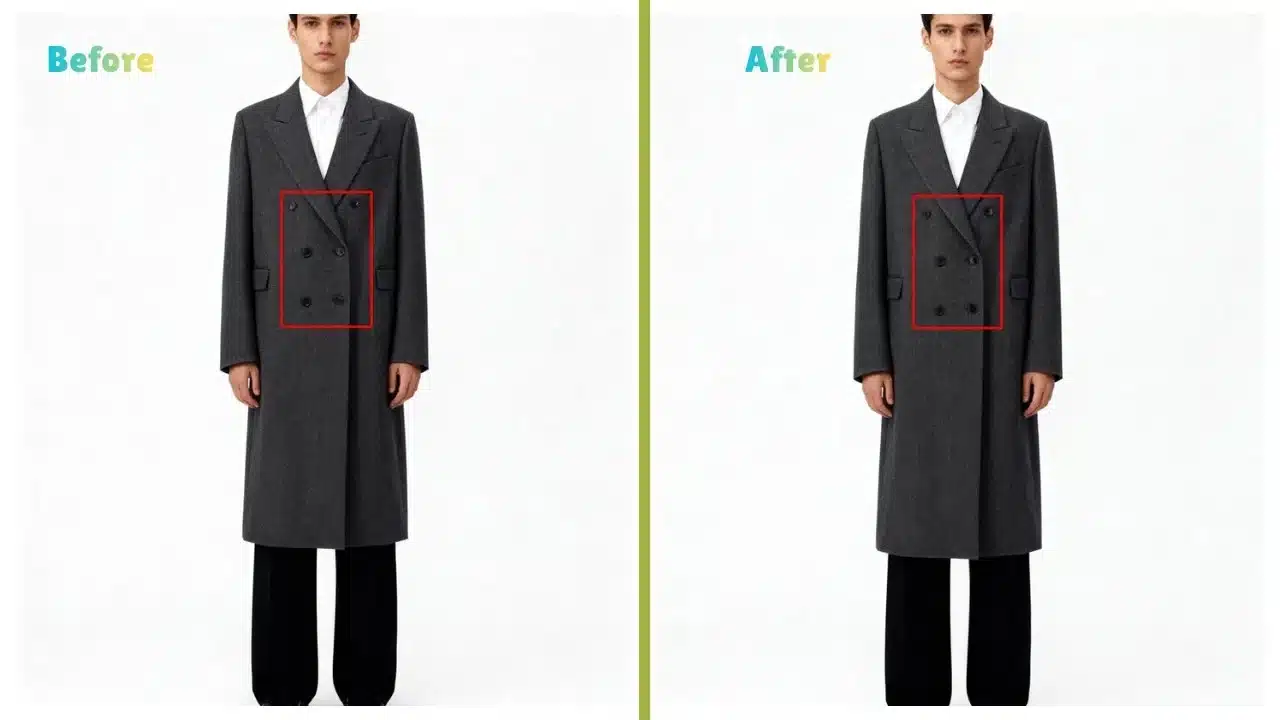
Buttoned mall garment elements also cause trouble. Buttons often appear misaligned or uneven, which makes clothing look poorly manufactured. During refinement, spacing and alignment are corrected to match how real garments are constructed.
4. Zipper placement
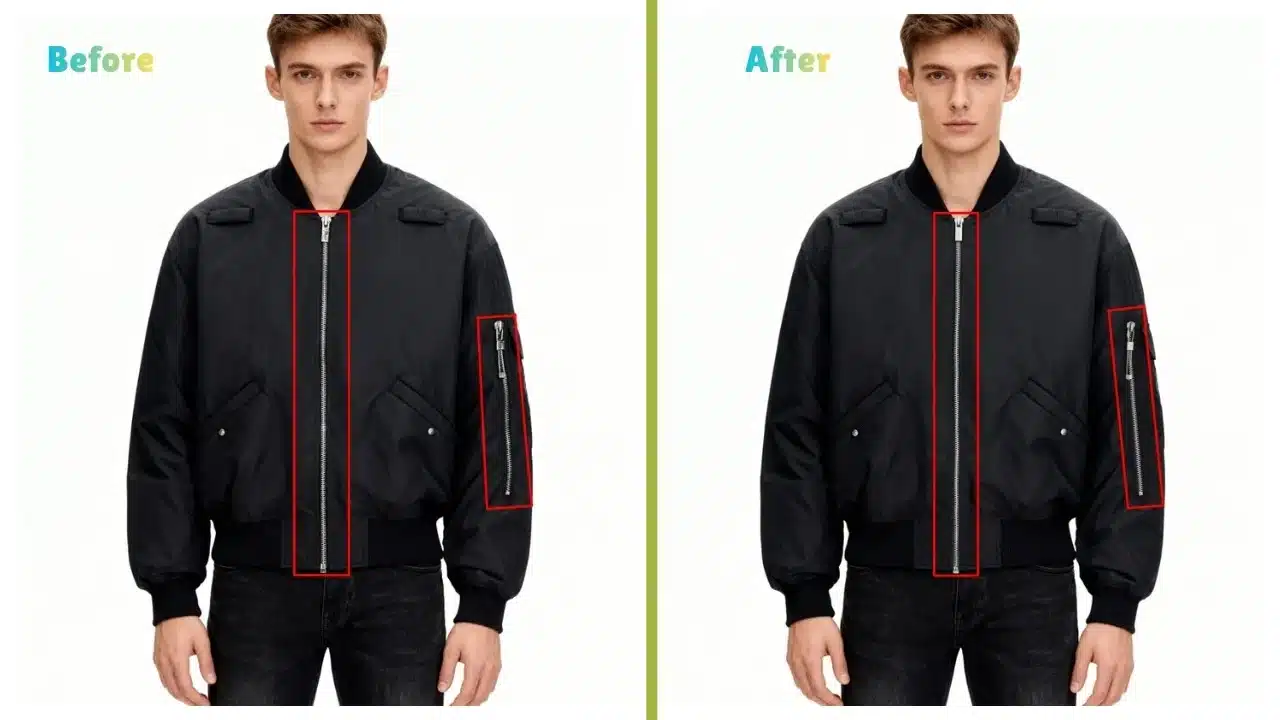
Zipper placement presents a similar problem. AI may place zippers off-center or distort their shape, which throws off the natural structure of the clothing. Refinement corrects position and restores balance so garments look properly fitted.
5. Fabric textures
Fabric textures fabric realism is another major concern. Raw AI images often show fabric textures that look too smooth or flat. Real fabrics have depth, grain, and light interaction. Refinement adds realistic texture and improves how fabric responds to light, helping materials look believable.
6. AI hallucinations
AI hallucinations: the most serious problems are AI hallucinations. These include extra fingers, incorrect seams, or wrong labels. Such errors instantly break trust and make images unusable for ecommerce. Refinement removes these hallucinations to ensure images meet commercial standards.
This process turns AI-generated images from risky visuals into reliable ecommerce assets. Each correction improves trust, reduces confusion, and supports better conversion outcomes.
Who Needs AI-Generated Model Photo Refinement?
AI-generated model photo refinement is not only for large brands. Any business that sells products online and relies on visuals can benefit from this process. The need becomes stronger as catalogs grow and customer expectations rise.
Fashion Ecommerce Brands
Fashion brands depend heavily on visual trust. Products like apparel, footwear, and accessories must look accurate and well-finished.
Raw AI images often misrepresent fit, texture, or structure. Refinement ensures clothing looks realistic, properly shaped, and consistent across product pages. This helps shoppers feel confident before making a purchase.
D2C Brands Scaling Product Listings
Direct-to-consumer brands move fast. New styles, colors, and SKUs appear every month.
AI-generated models support fast launches, but refinement keeps quality under control. This workflow allows brands to expand catalogs quickly without losing visual consistency or brand standards.
Dropshipping and POD Businesses
Dropshipping and print-on-demand businesses work with tight margins.
AI-generated images reduce costs, while refinement adds a premium finish. Clean visuals help low-cost products look trustworthy and competitive, especially on crowded marketplaces.
Marketing Agencies and Creative Teams
Agencies manage visuals for many clients at once. Refined AI model images provide campaign-ready assets that meet quality expectations across ads, landing pages, and social platforms. This saves time while maintaining professional standards for every brand.
Any business that values speed, accuracy, and trust can benefit from AI-generated model photo refinement. The next section explains how refined images also improve search visibility and AI-driven discovery.
SEO, AEO, and LLMO Benefits of Refined AI Model Images
Refined AI model images do more than improve visual quality. They also support search visibility and performance across modern search systems. Search engines and AI tools now evaluate how users react to images, not just keywords.
Improved Image-Based Search Visibility
Search engines rely heavily on image quality.
Refined images perform better on:
- Google Images, where clean edges and clear details improve ranking
- Visual search tools, where realistic images match user intent more accurately
Sharp, natural visuals help search engines understand products faster and show them to the right audience.
Better Engagement Signals for AI Search Engines
AI-powered search systems track user behavior. Refined images improve:
- Dwell time, as users stay longer on product pages
- User satisfaction, because visuals match expectations
Positive engagement signals tell search engines that content is useful and trustworthy.
Brand Authority in AI-Powered Results
AI search tools favor reliable sources. Clean and accurate images:
- Build visual trust
- Reduce confusion
Increase the chance of being referenced by AI systems
Trustworthy visuals support stronger brand authority and improve how AI platforms select and cite ecommerce content.
Conclusion
AI-generated model images help ecommerce brands move faster and reduce costs. Yet speed alone is not enough. Refined AI images improve visual accuracy, brand consistency, and buyer confidence. They fix common AI errors, present products clearly, and support better engagement across product pages and search platforms.
Refinement is no longer optional. It is a strategic step for brands that want reliable visuals at scale. Clean images reduce doubt, protect brand identity, and support long-term growth. As ecommerce becomes more competitive, professionalism, trust, and scalability decide which brands stand out and which get ignored.